
Renovating, Refinancing or Moving: Which Makes the Most Financial Sense?
Your home might be perfect in some ways, but not quite working for you anymore. Maybe your family needs more space, you’re tired of putting off that kitchen renovation, or you’re thinking about downsizing now that the kids have moved out.
If you’re a homeowner on Vancouver Island, you might be wondering whether it’s better to renovate the home you have, refinance your mortgage to access some of your home equity, or sell and move somewhere new.
There’s no one-size-fits-all answer. Each option comes with different costs, and the best choice depends on your finances, your current mortgage and what you want your home to look like in the years ahead.
Let’s break down what to consider before making a decision.
Option 1: Renovate the Home You Have
Sometimes, you don’t need a new house. You just need your current one to work a little better.
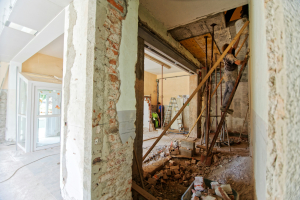
Maybe you want to update an older kitchen, add another bathroom, finish the basement or create more space for a growing family. Depending on the property, renovating could allow you to get more out of your home without going through the process of selling and buying again.
Before starting a renovation, think about:
- Your budget: Look beyond the initial quote. Permits, professional fees, materials and unexpected expenses can add up, so it’s wise to leave room for surprises.
- Your future plans: Will the changes meet your needs for the next five to ten years, or might you outgrow the space again?
- The potential return: Some renovations may add value to your home, but you shouldn’t assume you’ll get back everything you spend.
- How you’ll pay for it: Smaller projects might be covered by savings, while larger renovations could require financing.
If you’re happy with your neighbourhood and want to stay put, renovating may be worth exploring. But if the home needs major work or the layout simply can’t meet your needs, it may be worth comparing the cost with moving instead.
Option 2: Refinance Your Mortgage to Access Home Equity
If you’ve owned your home for a while, you may have built up equity through mortgage payments or changes in your property’s value.
Home equity is the difference between what your home is worth and what you still owe against it.
Depending on your financial situation and how much equity you have, you may be able to borrow against some of that equity to help fund renovations, repairs or other major expenses.
One option is refinancing your mortgage. This involves replacing your existing mortgage with a new one, potentially allowing you to borrow more than your current outstanding balance.
However, accessing your home equity isn’t free money. You’re taking on debt secured against your home, so it’s important to understand what the additional borrowing will cost.
Before refinancing, consider:
- Your current mortgage rate: If you have a competitive rate, switching to a new mortgage could mean paying more interest.
- Potential penalties: Breaking your existing mortgage before the end of its term may trigger a prepayment penalty.
- Additional costs: Appraisal fees, legal fees and other expenses may apply.
- Your new payments: Borrowing more could increase your monthly payments or the total interest you pay over time.
Refinancing isn’t the only way to access home equity. Depending on your circumstances, a home equity line of credit or another financing option may be worth discussing.
The important thing is to compare the available options and their total costs before deciding what’s right for you.

Option 3: Sell Your Home and Move
Sometimes, renovating isn’t the answer. Maybe you need more bedrooms, want a different layout, or are ready to downsize to something easier to maintain.
Selling and moving could give you the space or lifestyle you’re looking for, but it’s important to factor in the costs of both selling your current home and purchasing another one.
These costs may include:
- Real estate commissions
- Legal or notary fees
- Moving expenses
- Property transfer tax, where applicable
- Costs associated with arranging a new mortgage
You’ll also need to consider how much money you’ll have left after selling your current home, paying off your existing mortgage and covering the costs of the sale.
If you’re moving to a more expensive property, you may need to take on a larger mortgage. If you’re downsizing, you could potentially reduce your mortgage balance and monthly expenses.
On Vancouver Island, where housing options and prices can vary between communities, it’s worth looking at what your current home could sell for and what you’d realistically need to spend on your next property.
The goal isn’t just to find a home that suits your needs. It’s to understand what the move would mean for your finances, both now and in the long run.
How Do You Know Which Option Makes the Most Sense?
Before committing to a renovation, refinancing your mortgage or putting your home on the market, take some time to compare the numbers.
Here are a few questions to ask yourself:
- How much would the renovation realistically cost?
- Would I need to borrow money to pay for it?
- If I refinance, how would my mortgage payments change?
- What could I expect to have left after selling my current home?
- What would it cost to buy a property that better suits my needs?
- How long do I plan to stay in my next home?
It’s easy to focus on one number, such as the cost of a renovation or the monthly payment on a new mortgage. But looking at the bigger picture can help you understand the financial impact of each option.
You may find that renovating is the most practical choice. Or you might discover that moving makes more sense than putting significant money into a home that no longer suits you.
And if you’re considering refinancing, reviewing your existing mortgage before making any decisions can help you understand what options may be available.

Start With a Mortgage Review
You don’t have to make a decision on your own, and you don’t necessarily need to know which option you want before exploring your financing options.
At Mid Island Mortgage & Savings, we can help you review your current mortgage, discuss whether accessing home equity may be possible, and explore financing options for a renovation or a new property.
Every homeowner’s situation is different, so the first step is understanding where you stand and what you want to achieve.
Thinking about renovating, refinancing or moving? Get in touch with Mid Island Mortgage & Savings to talk through your plans and explore the mortgage options that may be available to you.
Mortgage financing is subject to lender approval, qualification requirements and property eligibility. Available options, costs and terms vary based on individual circumstances.

