
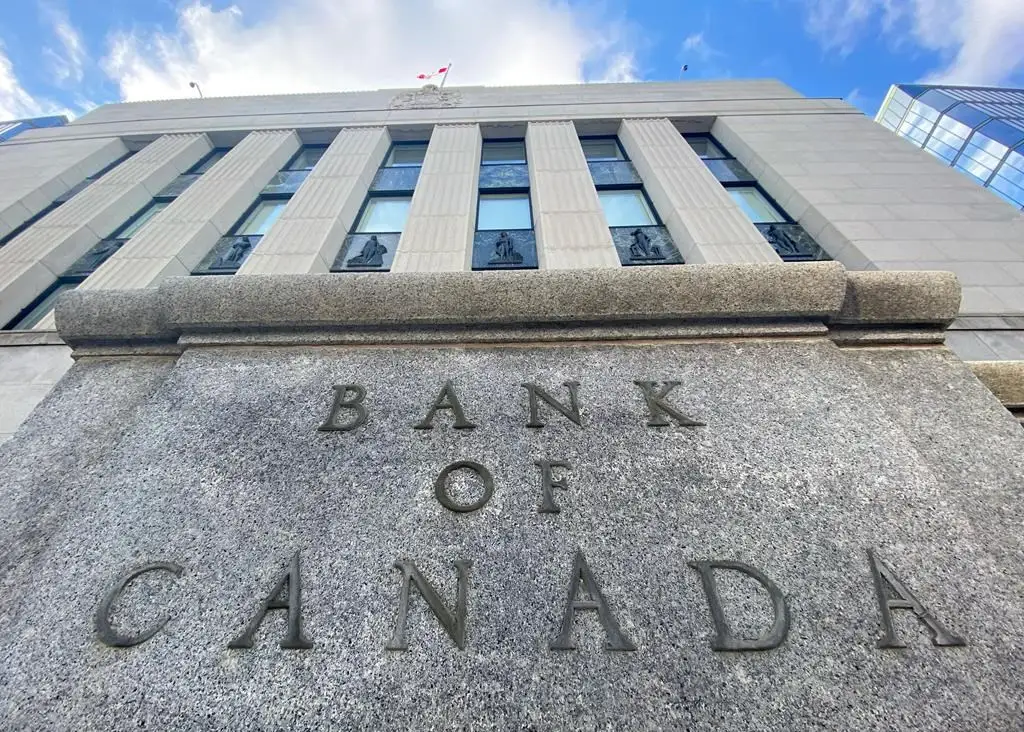
The Bank of Canada Held Rates — So Why Are Mortgage Rates Still Moving?
If you’ve been following mortgage rates lately, you may have noticed something that seems a little confusing.
The Bank of Canada held its overnight rate at 2.25% in September. So why are people still talking about mortgage rates moving?
If you’re buying a home in Nanaimo, renewing your mortgage on Vancouver Island, or simply trying to figure out what rates mean for your next move, it helps to understand that the Bank of Canada rate and your mortgage rate aren’t the same thing.
Different types of mortgages respond to different factors, which is why a Bank of Canada rate announcement doesn’t automatically tell you what every mortgage rate will do next.

First, what is the Bank of Canada overnight rate?
The Bank of Canada uses its policy interest rate to influence borrowing and spending across the economy.
When the Bank changes its overnight rate, that can influence other interest rates, including the prime rates set by financial institutions. Prime is then used as a reference point for many variable-rate loans and mortgages.
But the Bank of Canada does not set the mortgage rates offered by individual lenders.
That distinction is important.
So what happens to prime?
Prime rates are closely connected to the Bank of Canada’s overnight rate.
When the Bank changes its policy rate, lenders will generally adjust their prime rates as well.
When the Bank holds its rate, there is no automatic prime-rate change resulting from that announcement.
For borrowers with a variable-rate mortgage tied to prime, this is one of the reasons Bank of Canada announcements matter.
But fixed-rate mortgages work differently.
Why don’t fixed mortgage rates simply follow the Bank of Canada?
This is where things get a little more interesting.
Fixed mortgage rates are influenced heavily by the cost for lenders to fund those mortgages. Government bond yields are one important part of that picture, particularly for longer-term fixed mortgages.
That means fixed mortgage rates can move even when the Bank of Canada hasn’t changed its overnight rate.
In fact, long-term bond yields can move based on things like economic conditions, inflation expectations, government borrowing and what investors expect to happen with interest rates in the future.
The Bank of Canada has recently highlighted that longer-term bond yields have remained elevated, even as policy interest rates have come down from their previous highs.
So you can have a situation where the Bank of Canada says, “We’re holding,” while the market that influences fixed mortgage pricing is still moving.
What does this mean for variable mortgages?
Variable-rate mortgages are generally more directly connected to prime.
If your mortgage rate is based on prime, a change to your lender’s prime rate can affect your mortgage rate.
Exactly how that affects your payment depends on the type of variable mortgage you have. Some variable mortgages have payments that change as rates change, while others have fixed payments where the amount going toward interest versus principal can change.
That’s why it’s important to understand the specific terms of your mortgage rather than assuming every variable mortgage works the same way.
What does this mean for fixed mortgages?
Fixed-rate mortgages give you a set interest rate for your mortgage term, but the rate you are offered when you arrange or renew that mortgage is influenced by market conditions at that time.
So if you’re coming up for renewal in Nanaimo, for example, a Bank of Canada rate announcement is only one piece of the puzzle.
The overnight rate could stay exactly where it is while fixed mortgage pricing changes because bond yields or lender pricing have changed.
And the opposite can happen too.
What does this mean if you’re buying or renewing on Vancouver Island?
The biggest takeaway is that you don’t want to look at one number in isolation.
If you’re buying a home in Nanaimo, the rate you see today isn’t necessarily going to move in lockstep with the next Bank of Canada announcement.
If you’re renewing, a Bank of Canada hold doesn’t necessarily mean the rate available to you will be unchanged from what you were offered previously.
And if you’re trying to decide between fixed and variable, it helps to understand that those options are influenced by different factors.
So, should you be watching the Bank of Canada?
Absolutely, but don’t stop there.
The Bank of Canada rate can tell you something important about the broader interest-rate environment, but it doesn’t tell the whole story.
Fixed and variable mortgage rates respond to different factors, and lender pricing can change between Bank of Canada announcements
Whether you’re buying your first home in Nanaimo, moving somewhere else on Vancouver Island, or getting ready to renew your existing mortgage, understanding why rates move can help you make more sense of the numbers you’re being offered.
The next time you see a headline saying the Bank of Canada held rates, you’ll know there’s a little more to the story than that.
Looking at buying, renewing or refinancing? Talk to a mortgage professional at Mid Island Mortgage about how the current rate environment applies to your specific situation.

